

“In the midst of winter, I found there was, within me, an invincible summer.”
Albert Camus (1913-1960)
My Approach
There is no separation between mental and physical health and the path to thriving requires consideration of each person as a whole human with physical, behavioral and interpersonal strengths, weaknesses, risks and assets.
I strive to examine your concerns and goals from multiple angles and to partner with your other health professionals as a team working to find and address barriers on your path to wellness. I believe that “good medicine” encompasses far more than pharmaceuticals and starts with a trained ear and open mind willing to listen to your concerns.
As part of my training and my personal practice philosophy, I have a low threshold for acknowledging the limits of my expertise and will inform you if I am unable to meet your needs in my current practice setting.
I consider it an honor and a privilege to participate in another human’s health journey and I look forward to being a member of your team.
Professional Background
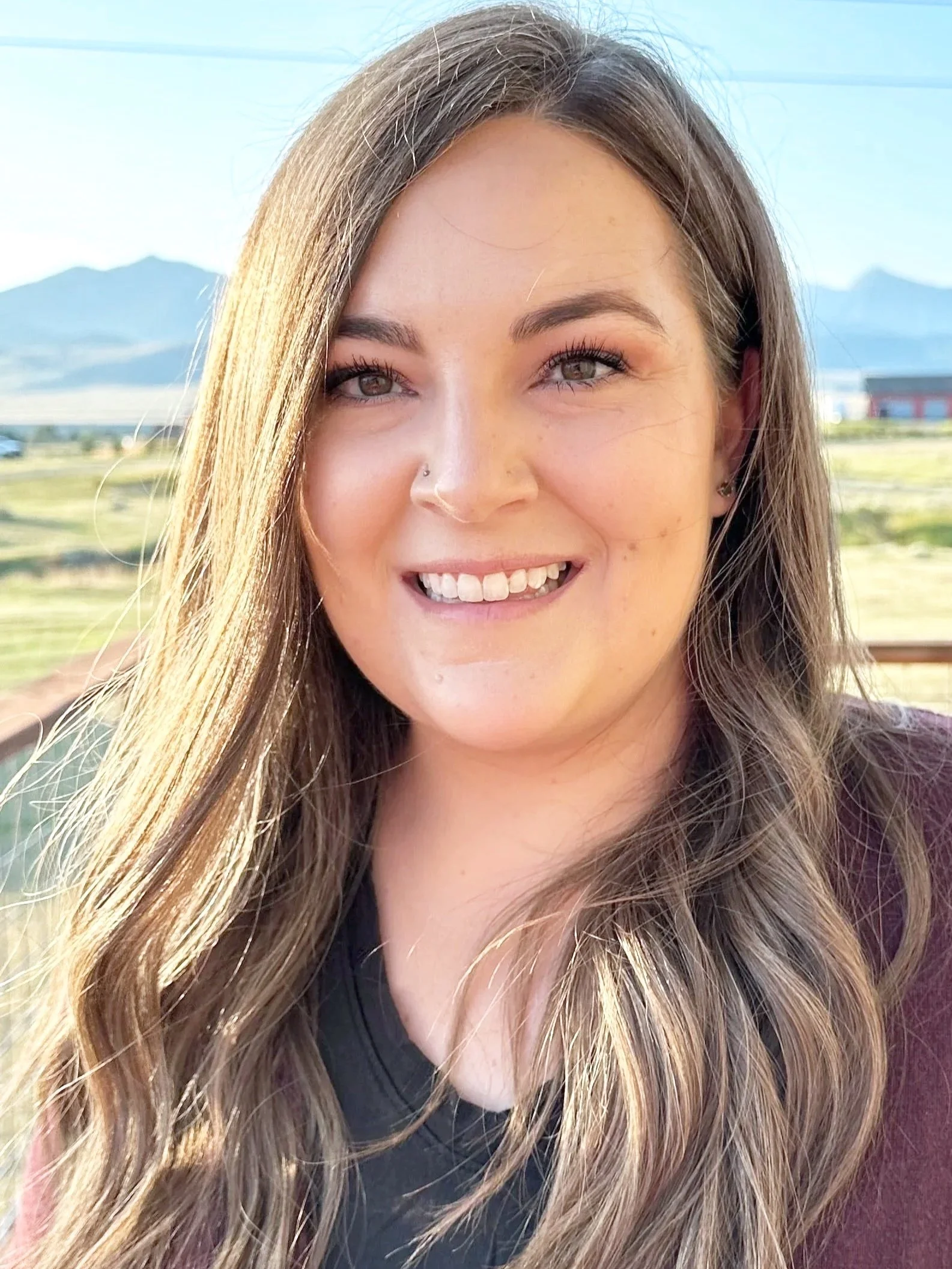
Kayli earned her Master of Physician Assistant Studies from Rocky Mountain College in Billings in 2012. For over a decade, she delivered psychiatric care in rural health clinics and critical-access hospitals in Eastern and Southwestern Montana, providing outpatient, inpatient, consult liaison, legal and integrated behavioral health services. Most recently, she worked in pediatric residential treatment and innovative outpatient programs.
Now Kayli is excited to begin the next chapter of her career: leveraging technology to remove barriers to access and bring high-quality mental health care to patients across the Big Sky State.
-
What is a Physician Assistant (sometimes also called a Physician Associate)?
Physician Assistants (PAs) are licensed medical professionals who diagnose illness, develop and manage treatment plans, prescribe medications, and provide patient education and counseling. They train in a medical model similar to physicians, with a focus on clinical practice and hands‑on patient care.
Training
Education: PAs complete a graduate-level PA program (usually 2–3 years) after earning a bachelor’s degree. Coursework includes anatomy, pharmacology, clinical medicine, and behavioral health.
Clinical rotations: Programs include extensive supervised clinical rotations across multiple specialties (family medicine, internal medicine, surgery, psychiatry, pediatrics, emergency medicine, etc.)
Certification and licensure: After graduation, PAs pass a national certifying exam and obtain state licensure. They maintain certification through continuing medical education and periodic recertification requirements.
Supervision and teamwork: PAs work collaboratively with physicians and other health professionals. The level of supervision varies by state and practice, but PAs practice as part of a healthcare team with the ability to make independent clinical decisions within their scope.
Practice settings
Outpatient clinics and private practices: PA’s can provide ongoing care, medication management, and follow‑up.
Hospitals and inpatient care: PAs can admit, round on, and manage hospitalized patients in medical, surgical, and psychiatric units.
Emergency departments and urgent care: PAs can evaluate acute illnesses and injuries, order tests, and initiate treatment.
Residential and group homes: PAs provide on-site medical and psychiatric care for residents of group homes or treatment facilities.
Telehealth and remote care: PAs can deliver care by phone or video, improving access for patients who live far from clinics or need flexible options.
Legal and consultative roles: PAs may provide medical evaluations, expert opinions, and work alongside legal or administrative professionals.
-
National Certification:
Kayli is certified with the National Commission on Certification of Physician Assistants (NCCPA) and holds an additional Certificate of Qualifications (CAQ) for Psychiatry.
Physician Assistants qualify for a Certificate of Added Qualifications (CAQ) by completing specified advanced clinical training, meeting defined clinical experience requirements, and passing the specialty certification examination administered by the National Commission on Certification of Physician Assistants (NCCPA) or other recognized certifying body.
To maintain a CAQ, PAs must fulfill ongoing specialty-specific continuing medical education, demonstrate continued clinical practice in the specialty, and meet periodic recertification requirements such as passing a maintenance exam or completing NCCPA maintenance of certification activities.
-
Independent Practice:
In 2023 the State of Montana enacted legislation allowing Physician Assistants to practice independently after 8,000 hours of supervised practice (in addition to other requirements).
Kayli has been licensed in the State of Montana since 2012 and holds an Independent Practice Endorsement with more than 20,000 hours of supervised practice in Psychiatry.
-
Kayli is a third-generation Montanan with century-old roots in her hometown, located just south of the (Canadian) border in the Northeastern corner of the state.
A rockhound at heart, Kayli studied geology and biology in college with plans to pursue paleontology as “Option B” should a career dedicated to living organisms not materialize.
Kayli and her husband have two children and have had the good fortune to live next door to Makoshika State Park in Eastern Montana and the Paradise Valley in Southwest Montana before relocating to the statistically proven “Middle of Nowhere” (Glasgow, MT) in 2024.
These days you’ll often find Kayli with her family on the water at Fort Peck Lake, enjoying time under the Northern Skies and (always) on the search for cool rocks.